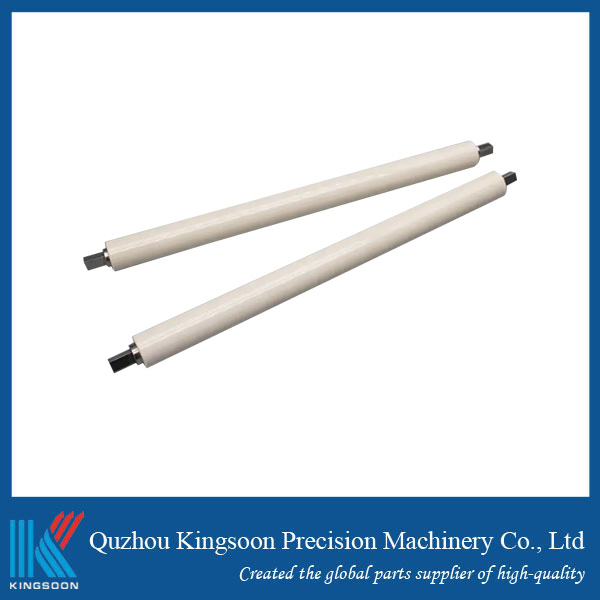
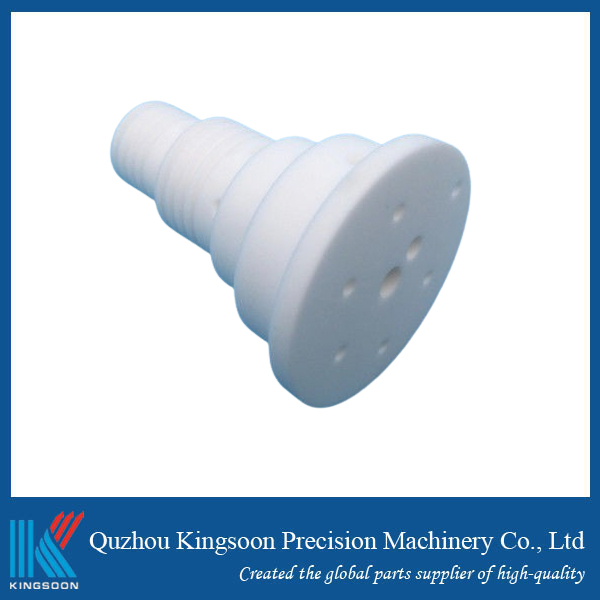
Ceramic parts are advanced engineering components made from inorganic, non-metallic materials that exhibit exceptional thermal, mechanical, and chemical stability. Unlike metals or polymers, ceramic materials such as alumina, zirconia, and silicon nitride are engineered for superior resistance to heat, corrosion, and wear. Their unique combination of strength and stability has made them indispensable in industries ranging from aerospace and automotive to electronics, medical devices, and energy production.
In the industrial sector, carbon steel castings play a critical role in delivering strength, durability, and precision across various applications. Their widespread use ranges from automotive components and construction machinery to oil and gas equipment and valve manufacturing. To fully grasp why carbon steel castings are integral to modern manufacturing, it is important to examine their composition, mechanical properties, and the advantages they bring to different industries.
Forging Parts, in simple terms, are metal products with specific shapes and sizes formed by plastic deformation of metal billets under external pressure according to the forging process.
In the field of material processing, ceramic parts are widely used in electronics, aerospace, machinery and other industries with their high hardness, high temperature resistance and corrosion resistance. However, their characteristics also bring processing difficulties.
Dense castings understand that inoculation treatment is to add inoculants to molten iron before it enters the casting cavity to change the metallurgical state of the molten iron, thereby improving the microstructure and properties of cast iron.
We use cookies to offer you a better browsing experience, analyze site traffic and personalize content. By using this site, you agree to our use of cookies.
Privacy Policy